Addiction Treatment Texas: Conquering Preconception and Seeking Assistance
Recovery rarely begins with a brochure or an internet site. It starts with a difficult discussion at a kitchen area table, a worried supervisor calling HR, or a parent seeing a kid withdraw behind a secured bedroom door. In Texas, where self-reliance and self-reliance run deep, asking for help can seem like admitting loss. That idea is effective, and it keeps individuals sick. It likewise breaks when we placed facts, empathy, and useful actions on the table.
I have rested with families across the state, from Lubbock to the Rio Grande Valley, and listened to the exact same themes. People desire change. They fear being judged. They are confused concerning where to go. And they fret they can not manage it. The good news is that addiction treatment in Texas has expanded stronger and much more varied over the last years. Programs have actually expanded their doors to fit realities, not idealized ones. The job now is to strip away stigma and make reaching out as typical as seeing a doctor for bronchial asthma or diabetes.
What preconception looks like up close
Stigma is not an abstract idea. It is a set of beliefs and reactions that shape decisions. It turns up in self-talk, in households, in offices, and in policy. In technique, it leads individuals to wait years before seeking treatment, to conceal regressions, and to accept danger they would certainly never ever accept in an additional illness.
You can identify stigma with a couple of usual patterns:
- Equating addiction with a moral failure instead of a clinical problem that affects actions and brain function.
- Treating medicine for opioid or alcohol use disorder as a crutch, not as evidence-based care.
- Avoiding words "addiction" when talking with doctors or insurance providers, which postpones proper medical diagnosis and coverage.
- Withholding assistance because "they have to strike rock bottom," an idea that ignores avoidable damage and death.
- Assuming treatment needs to be thirty day away from home, when lots of people do far better with outpatient care they can sustain.
Language carries weight. Expressions like addict or addict flatten a human enjoying a label. A tiny shift issues. Person with a substance use disorder or individual in recuperation signals regard and reduces the temperature level of the conversation. That adjustment is not aesthetic. It makes it more probable somebody will certainly be honest with a clinician or call a treatment program and maintain the appointment.
The Texas landscape, in actual numbers and human terms
Texas has seen the exact same nationwide trends in overdose threat, particularly with fentanyl contamination in the illicit medicine supply. Police reports, medical examiner information, and hospital stays with each other reveal a constant rise in fatal and nonfatal overdoses over the past numerous years. The exact matters vary by county and year, but the direction has actually been clear. Households that never ever envisioned they would need naloxone currently maintain it in a cooking area drawer.
At the very same time, the state has bought wider gain access to. Via the Texas Targeted Opioid Action, a statewide initiative funded with government assistance, more clinics currently offer medicines for opioid use problem, more very first responders lug naloxone, and much more areas host recovery support system. Country access stays unequal. In the Panhandle and Big Bend areas, for instance, it can take hours to reach a detoxification bed. Telehealth assists, but it can not replace every solution. That is the trade-off: telemedicine can provide prompt prescribing and treatment, yet withdrawal management and stablizing in some cases call for in-person care.
Alcohol stays the most usual compound connected to therapy admissions statewide, followed by methamphetamine and opioids. Polysubstance use is the guideline, not the exception. A person might drink greatly, use meth to remain awake, and take drawn away painkiller when collapsing. Good programs evaluate the entire pattern and plan accordingly. Narrow treatment strategies that concentrate on a solitary material have a tendency to miss triggers and undercut long-lasting progress.
What efficient treatment in fact involves
Effective addiction treatment has layers. No single program fits every person, and anyone who promises a one-size course is selling marketing, not medicine. The parts listed below can be combined and matched based upon extent, security in your home, co-occurring psychological health demands, and individual preference.
Assessment and stablizing come first. A thorough consumption must cover substances made use of, quantities and frequency, withdrawal background, mental health, medical conditions, drugs, real estate, lawful problems, and family members supports. For alcohol, benzodiazepines, and opioids, clinical oversight during withdrawal can be critical. Complicated withdrawal is not a character test. It is physiology, and it can transform harmful fast.
Medication can be a keystone. For opioid use disorder, buprenorphine, methadone, and extended-release naltrexone decrease overdose risk and boost security. For alcohol usage problem, naltrexone, acamprosate, and disulfiram play distinct duties. A quick example from center: a 43-year-old welder in San Antonio that drank 8 to 10 beers nightly started oral naltrexone, saw yearnings go down within 2 weeks, after that layered on cognitive behavioral therapy when he had the data transfer. Drugs do not change treatment. They make treatment possible.
Therapy and abilities training address the behaviors and ideas that feed compound use. Cognitive behavior modification, motivational interviewing, and backup monitoring are well sustained by research. Family-based techniques aid when home dynamics maintain reactivating old patterns. A father who works overtime every time his little girl relapses might be doing it out of love, yet the pattern guards her from repercussions and prolongs the cycle. Family sessions bring these mismatched intents into the open and modification them.
Peer support and neighborhood issue, though the format differs by person. Twelve-step groups sustain several Texans. Others choose nonreligious options or peer-led recuperation community organizations that provide coaching and social tasks without a single curriculum. The point is connection. Addiction flourishes in isolation.
Recovery housing and sober living can link the gap between inpatient or extensive outpatient and fully independent living. Quality differs extensively. Look for homes that utilize medicine screening rather, impose safety rules regularly, and link residents to work or training. A residence with a terrific website and no structure is a revolving door.
Navigating gain access to in Texas
The state's behavior wellness system can be confusing on the first pass. A few anchors simplify the search.
Texas Wellness and Person Providers supervises openly funded compound use services, including outpatient counseling, residential therapy, youth programs, and recuperation support. The firm utilizes regional Outreach, Testing, Evaluation, and Recommendation centers, known as OSAR, to aid people recognize requirements and connect to nearby carriers. You can get to an OSAR with the statewide 211 helpline or by seeing the Health and wellness and Person Services web site to locate your region. For somebody without insurance, OSAR is typically the fastest doorway right into care.
Many counties partner with not-for-profit treatment facilities that accept Medicaid or offer sliding-scale charges. In urban areas, wait times might be days. In smaller areas, weeks are feasible. If there is a waiting list, inquire about interim services. Some programs offer bridge therapy, peer assistance, or medicine begins while you wait on a full slot.
Telehealth prescribing has reduced access to buprenorphine for opioid usage condition, especially after federal policies were updated to enable a preliminary prescription via video clip with a timely in-person comply with up. Reliable net still limits this in some country regions, and personal privacy can be a concern if you share housing. Clinicians can assist problem-solve, from scheduling around roommates to setting up center sees throughout lunch breaks.
Naloxone is commonly available. Texas has a standing order that permits pharmacologists to dispense it without a private prescription, and an over the counter variation of naloxone nasal spray gets on retail racks across the country. Bring it does not classify you. It means you recognize the truth of the drug supply and intend to keep people alive.
Texas additionally has a restricted Good Samaritan law that can provide specific defenses for people that call for assistance in an overdose emergency, with conditions. The information matter and defenses are not absolute, so do not rely upon rumor. The secure action is to call 911 in any kind of believed overdose and be straightforward with responders. Lives depend on rapid action.
What to expect with price and insurance
Finances stop treatment more than inspiration does. Here is how most Texans spend for care.
Medicaid covers a variety of addiction treatment solutions, consisting of outpatient therapy, extensive outpatient, property care in certain settings, and drugs for opioid usage condition. Managed care plans each have networks. If you call a facility and they claim they do not take your strategy, request for a cozy handoff to one that does.
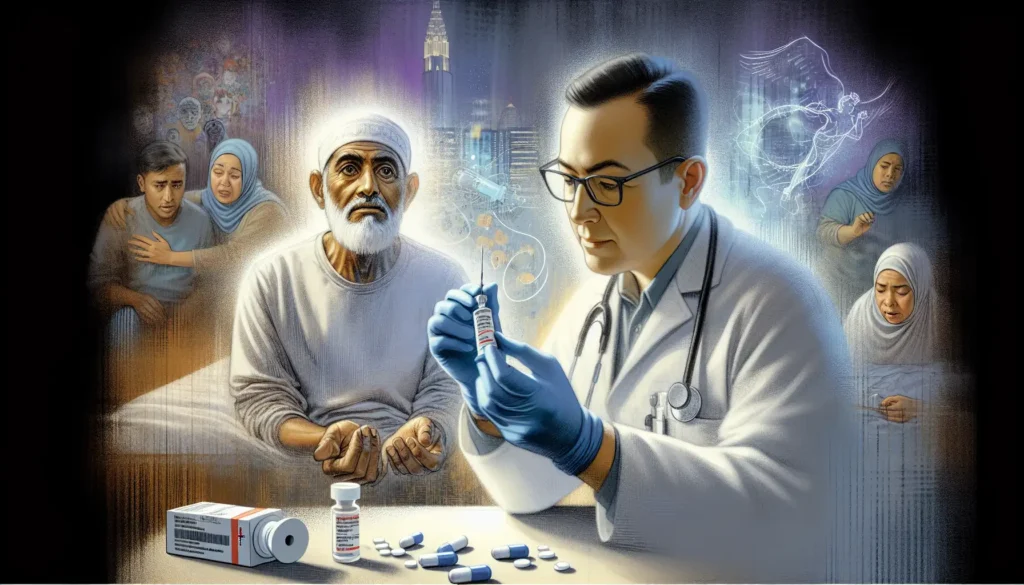
Private insurance have to adhere to federal parity regulation, which needs equivalent protection for mental health and wellness and compound use conditions as for medical and medical treatment. Parity does not suggest absolutely no friction. Insurance providers might require previous consent, limitation network choices, or demand step-down treatment prior to accepting extensive services. It assists to ask a medical professional to document clinical need in clear terms, consisting of withdrawal threats, co-occurring conditions, and safety and security problems at home.
For individuals paying money, Texas has a significant variety of nonprofit and faith-based companies with gliding range fees. Extensive outpatient programs frequently cost much less than domestic treatment and can be equally as efficient for moderate seriousness. Short remains complied with by solid outpatient comply with up can restrict expenses without giving up results. When a program tries to offer a fixed 30-day bundle to everyone, press them for data or a 2nd opinion.
Addiction therapy in San Antonio, where regional culture matters
San Antonio has developed a wide therapy and recuperation network that shows its military connections, multilingual population, and strong neighborhood organizations. The South Texas Veterans Healthcare System supplies specialized services for experts with substance usage and co-occurring PTSD or stressful mind injury. That issues, because common team therapy can miss the mark for a person who brings fight injury. Worked with treatment between VA, community clinics, and peer assistance lowers dropout.
Bexar County courts have established diversion programs for individuals whose offenses stream straight from compound usage. Recovery court models, when well run, mix accountability with access to counseling, medicine, and situation monitoring. The objective is not to shield individuals from repercussions, but to transform a criminal justice touchpoint into an on-ramp for health.
Community-based teams such as Surge Recuperation and the San Antonio Council on Alcohol and Medication Recognition focus on education, young people prevention, and household support. Many therapy centers below offer services in Spanish and recognize the function expanded family members plays in choices. I have seen grandparents involve family sessions and come to be the steadying force that maintains a treatment intend on track.
The city area provides the complete continuum: outpatient clinics that begin buprenorphine or naltrexone within days, intensive outpatient programs with night timetables for solution workers, partial a hospital stay programs linked to health systems, and household centers for those who require a reset away from triggers. If you search online for addiction treatment in San Antonio, you will locate a lengthy checklist. To tighten it, ask about medical professional credentials, whether they use all 3 FDA-approved drugs for opioid usage condition, typical wait times, and just how they coordinate with health care. A good program solutions swiftly and plainly.
Faith, society, and privacy
Faith communities play a significant role in Texas wellness decisions. Many people initial reveal a trouble to a pastor or ordinary leader. That is not an obstacle. It can be a bridge. When faith-based assistance couple with evidence-based treatment, end results boost. The secret is clarity regarding roles. Spiritual advise can reinforce inspiration and fixing connections. Treatment handles withdrawal threat, yearnings, and clinical depression. Neither replaces the other.
Privacy anxieties delay more treatment than any kind of other obstacle after cost. Federal confidentiality guidelines particular to compound usage therapy, commonly called 42 CFR Component 2, area rigorous limitations on sharing treatment info. Medical professionals can not divulge information to companies or family members without authorized approval, other than in uncommon emergencies. If your job involves an industrial chauffeur's certificate or safety-sensitive duties, separate rules may use and you must ask your company's health and wellness services to discuss them in writing.
How households and employers can assist without making it worse
Families typically attempt to aid by managing or pleading. Neither benefit long. The more reliable stance is tranquil, constant, and bound to actions. That could look like paying for an initial analysis however linking continuous financial support to adhering to a therapy strategy. It may resemble decreasing to cover lawful costs however providing to attend family members sessions.
Workplaces have more leverage than they recognize, and they can use it to support healing. A clear course to demand leave for treatment, discretion guarantees, and a return-to-work strategy with finished duties all boost the opportunity a worker will certainly ask for assistance early. Drug-free workplace plans must not be quiet on therapy. Spell out that self-disclosure before a safety and security case will be met support and a recommendation to care when practical within legal and safety constraints.

A simple, qualified first step
The space between wanting help and taking action is normally a day or two. People await the ideal strategy and shed energy. A tiny list maintains it moving.
- Call 211 or your area's OSAR to identify neighboring programs and ask which take your insurance policy or deal gliding scale.
- Ask your health care medical professional for a visit and be direct concerning compound usage and any kind of withdrawal history.
- If opioids are included, acquire naloxone the exact same day from a drug store and discover how to make use of it.
- Clear 2 or three immediate barriers, such as child care or transportation, for the first week of appointments.
- Tell one helpful person your strategy and inquire to check in after each visit for the initial month.
None of these steps calls for a commitment to a certain program. They established a floor of safety and keep a person attached enough time to make even more durable decisions.
Choosing top quality: indicators a program is worth your time
When you talk to a carrier, pay attention for subtlety. Rigid promises or scare tactics usually mean marketing remains in the chauffeur's seat. A top quality center or domestic program will certainly describe choices, ask about your goals, and readjust strength gradually. They will use or work with drugs when indicated. They will address inquiries concerning regression and discharge preparation before you authorize a form.
I when worked with a 29-year-old mommy from the Coastal Bend who had attempted three programs focused on abstaining without drug. She seemed like a failure each time she slipped back. A community facility in San Antonio started buprenorphine, then layered on trauma-focused treatment and parenting courses that fit her work routine. She maintained, regained partial wardship, and moved to evenings so child care corresponded. The distinction was not willpower. It was a strategy that fit her life and a team that adjusted to her reality.
Rural truths and workarounds
In parts of Texas, the local detoxification is 90 miles away and there is no public transit. Those realities change methods, not the objective. Facilities can coordinate with local emergency divisions to deal with medically made complex withdrawal when required. Medical care clinicians can start drugs for alcohol usage problem and manage them with telehealth check-ins. Peer recuperation trains travel, usually fulfilling people at collections or churches. For methamphetamine or drug utilize disorder, backup monitoring, which rewards healthy habits with small, structured motivations, can be supplied from another location with mindful design. None of this is best. It is better than waiting on an excellent resource that might not arrive soon.
Legal complications and treatment
Many Texans first get in treatment through probation or after an apprehension. The high quality of that access issues. Programs that function carefully with probation policemans and judges can minimize mixed messages and assist establish reasonable assumptions. An individual on medicine for opioid usage disorder ought to https://rentry.co/z8f99mzf not be required to taper off merely to satisfy a condition that does not straighten with medical evidence. If that gets on the table, request a situation conference with the treatment provider, the supervising policeman, and, if required, lawful advise. These conversations can be tense, yet they frequently settle toward security when all events hear the medical rationale.
Online searches and what they miss
When individuals type Addiction treatment texas or addiction treatment right into a search bar, they obtain a glossy listing of facilities with strong SEO. Some are superb. Some are not even in Texas. Directory sites can aid, yet they filter by payment resources and advertising budgets as high as by top quality. Balance that with recommendations from local clinicians, recovery area organizations, and people who have made use of the program. In San Antonio, for example, a brief phone call to a significant wellness system's behavioral health intake can clarify who has beds today, which outpatient clinics are accepting new people, and which programs can see a person after 5 p.m.

Setbacks, disclosure, and measuring progress
Relapse prevails, especially early. Treat it like a flare of a persistent disease. The reaction needs to be quick and proportionate, not shaming. If a person on buprenorphine uses as soon as, the repair might be a dose modification, an added treatment session, or eliminating a trigger. If alcohol use returns daily with withdrawal signs and symptoms, a short stabilization may be more secure. Employers appreciate sincerity anchored in a strategy. I have actually assisted individuals compose a neutral, privacy-respecting message to a manager: I am attending to a health and wellness problem with my clinician. I may require routine flexibility for a number of weeks. Human resources can confirm the information. That level of disclosure shields privacy while signifying responsibility.
Measure development over months, not days. Seek less crises, even more foreseeable regimens, boosted sleep, and steadier state of mind. Lab tests and negative medicine screens matter less than the return of regular life: paying bills, appearing for family members, delighting in a silent Sunday.
Bringing it back to courage and craft
Overcoming stigma is not only regarding convincing the general public. It has to do with constructing systems that are entitled to count on. Texas has actually moved in that direction, expanding drugs, supporting healing organizations, and buying area education. Spaces stay, especially in rural accessibility and affordability for the underinsured, but we have better tools than we did even five years ago.
If you are considering assistance on your own or someone you like, act on the tiniest following action. Telephone. Ask a straight inquiry. Get naloxone. If San Antonio is home, utilize its network. If you are hours from the nearest city, use telehealth and local centers to develop a workable plan. There is no prize for enduring longer. There is silent self-respect in using the care that works. And there is a Texas version of recovery that appreciates independence while identifying that everyone, at some time, needs a hand.